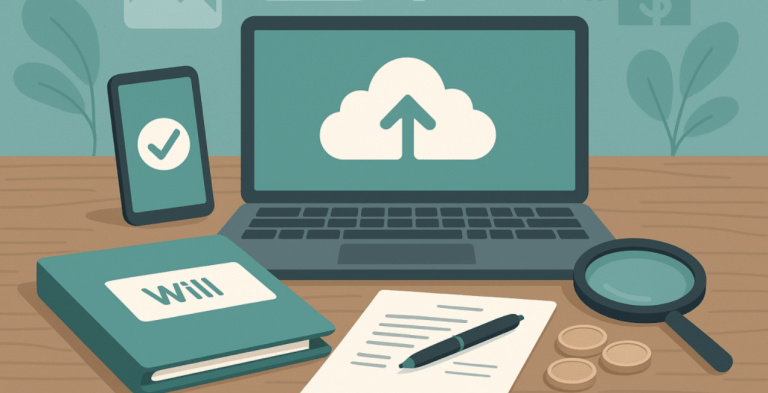


Most New Yorkers now hold more financial and personal value online than they do in physical files or paper records. As accounts, income streams, and personal data increasingly move to digital platforms, your estate plan has to evolve with them. The bottom line is simple: if your digital assets are not clearly documented and authorized, your executor may not be able to access them at all.
This guide explains how estate planning for digital assets in New York works today, what has changed for 2026, and the steps every family, professional, and online business owner should take to protect their digital property. You’ll learn what people often miss, how to give your executor the legal authority they need, and what cross-border risks can impact access and value.
What Digital Assets Do New Yorkers Overlook Most Often?
Many families don’t realize how much of their financial life only exists online. Executors may be left guessing what platforms a person used, where important records are stored, or how income was generated. These categories create the most issues during estate administration.
Monetized Accounts and Online Income Streams
Digital income is now common across many professions. Revenue may continue even after death, so leaving instructions is essential. Examples include:
- YouTube channels
- Instagram and TikTok accounts
- Substack newsletters and Patreon memberships
- Etsy stores and digital storefronts
- Paid podcasts, blogs, or online community spaces
If no one can access these accounts, the income may stop immediately, which affects the value of the estate. New Yorkers with blended or complex financial structures often review these accounts at the same time they update more traditional documents. When clients explore changes after divorce, they often address hidden or unaccounted digital income while reviewing their plan, similar to what is discussed in the firm’s blog on Estate Planning After Divorce.
Cloud-Based Financial and Legal Records
Executors frequently run into delays because crucial information was stored in:
- Online tax portals
- Cloud-based business management tools
- Digital banking apps
- Payment platforms like PayPal, Stripe, or Venmo
If your executor does not know these accounts exist, they may spend weeks trying to locate essential financial records.
Cryptocurrency, NFTs, and Digital Wallets
Crypto requires careful planning since access depends entirely on your private keys. If no one knows the wallet locations, storage method, or authentication steps, the assets may be permanently lost.
Email and Device Access
Nearly everything online is tied to an email address or mobile device. If your executor cannot access your email, they may be unable to reset passwords or authenticate your accounts, effectively locking them out.
Intellectual Property and AI Assets
Many New Yorkers now create income-generating work online, such as:
- Digital courses
- AI-generated artwork or writing
- Code repositories
- Training data libraries
- Licensing-based creative work
These assets can produce ongoing revenue and should be included in your estate instructions.
Cloud Libraries and Subscription Tools
Executors often discover important files in:
- Google Drive
- iCloud
- Dropbox
- Adobe or Canva accounts
These may contain business records, legal documents, or irreplaceable family photos. An organized inventory helps avoid loss.
How Do You Include Digital Assets in a New York Estate Plan?
New York has adopted the Revised Uniform Fiduciary Access to Digital Assets Act (RUFADAA), which governs how fiduciaries can access digital property. The law protects privacy, so it does not automatically grant your executor access. Your documents must provide that permission clearly.
1. Add Digital-Asset Authority to Your New York Power of Attorney
Your agent needs explicit permission to:
- Manage digital accounts
- Retrieve or store information
- Communicate with custodians
- Handle cryptocurrency
- Manage or wind down online income streams
Without this language, many custodians can refuse access.
2. Add RUFADAA Language to Your Will or Trust
Your executor or trustee should be authorized to:
- Access electronic communications
- Reset login credentials
- Take control of monetized platforms
- Transfer digital property
- Manage cloud accounts or subscription tools
- Access financial information stored digitally
Traditional documents usually do not include these authorities unless they are added by your attorney.
3. Create a Digital Asset Inventory
Your inventory should include:
- Platform names
- URLs
- Usernames
- Storage locations
- Wallet information (but not seed phrases)
- Income flow notes
- Customer support contacts
Keep this document updated and stored securely. It should not be part of your will since your will becomes public during probate.
4. Provide Passwords and Keys Securely
Never store passwords, codes, or seed phrases in your legal documents. Instead, use:
- A password vault
- A secure physical vault
- Split-key systems
- Multi-sig wallets
Your executor needs to know where and how to access these items without exposing them.
5. Protect Digital and Online Businesses
If you run an online business, create digital content, or have an established following, your plan may need:
- Instructions for who should manage your accounts
- Terms for continuing monetization
- Licensing agreements or successor manager rules
- A structure for transferring ownership
This ensures that revenue or intellectual property is not lost.
What Legal Risks Affect Digital Assets Across Borders?
Digital property moves freely across countries, but estate access does not. New Yorkers with global lives must prepare for the following complications.
Foreign Exchanges and Crypto Platforms
Some foreign exchanges:
- Do not recognize U.S. fiduciaries
- Require local court orders
- Restrict data sharing
This may freeze accounts until international documentation is provided.
Cloud Servers Located Outside the United States
If your information lives on servers abroad, access may be restricted by:
- GDPR
- Local privacy standards
- Multi-region verification steps
This can slow down estate administration significantly.
International Social Media or Business Platforms
Platforms such as WeChat, WhatsApp Business, and TikTok Shop may require:
- Local notarizations
- Proof of address
- Additional identity documents
Executors must be prepared for these requirements.
Copyright and International Licensing
Creators with global audiences often receive royalties from multiple countries. Executors may need to coordinate with foreign copyright laws and tax regimes to manage these assets correctly.
Mixed-Residency and Dual-Citizen Estates
If you live or work in more than one country, your digital property may be subject to:
- Forced heirship rules
- Tax treaties
- Restrictions on foreign trustees
- Local succession requirements
Planning ahead helps avoid delays or mismanagement.
FAQs
What counts as a digital asset in New York?
Digital assets include any electronic records or accounts, such as crypto, social media accounts, cloud storage, online income streams, digital photos, financial tools, and creative assets.
Can my executor automatically access my email or cloud accounts?
No. New York law requires explicit authority in your will, trust, or power of attorney. Without it, custodians can block access.
Do I need to include my passwords in my legal documents?
No. Since your will becomes public, never list passwords inside it. Use a secure vault and leave instructions on where to find it.
Call to Action
If you want to make sure your digital assets are protected and accessible to the right people, The Village Law Firm can help you build a secure and complete estate plan tailored to New York law. Contact us to schedule a consultation.